Three Years In: Building a National Food Rescue Movement
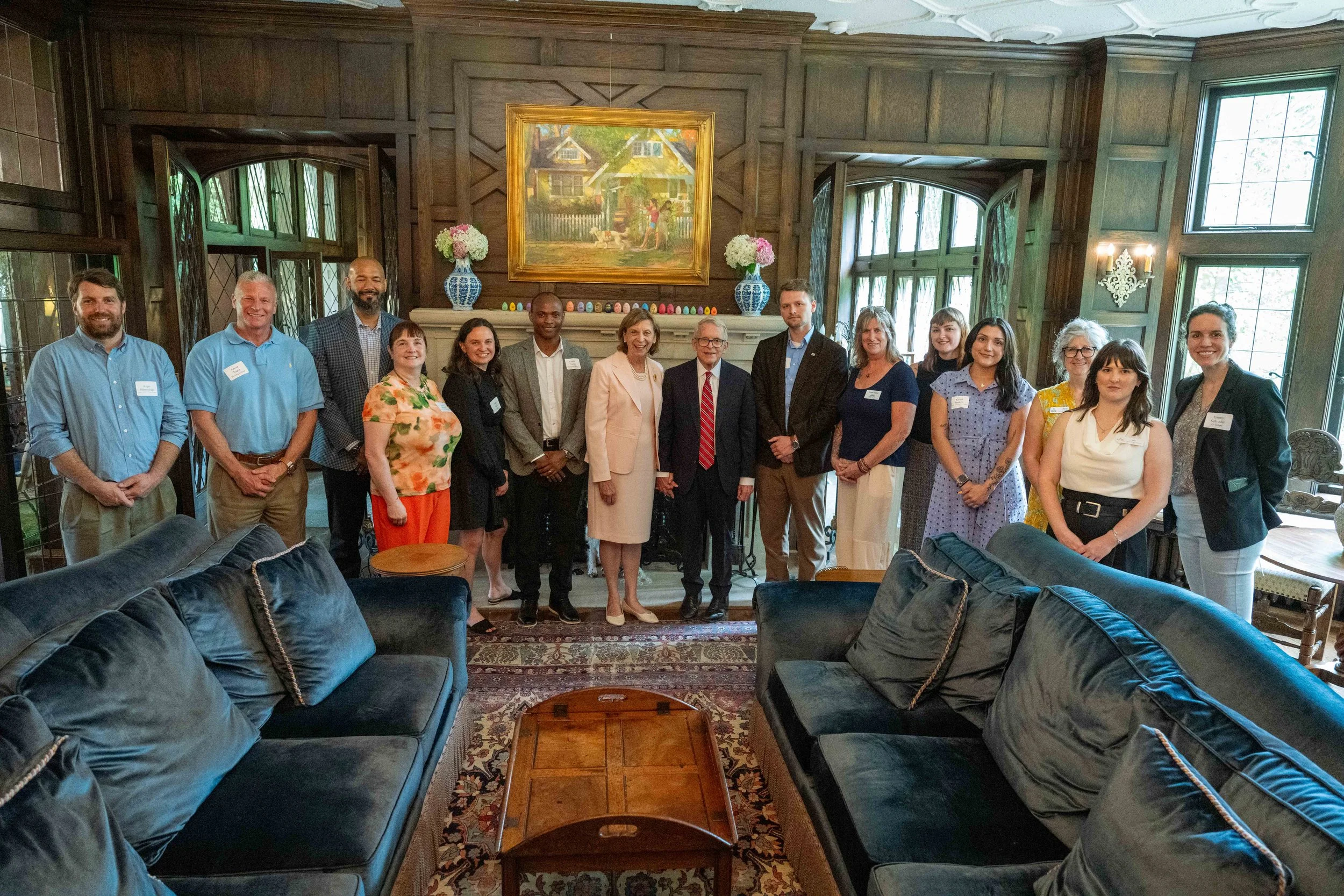
Graduates of the Capacity Building Program are welcomed by Governor and First Lady DeWine
Three years into our Rescue Kitchen Network(TM) (RKN) programming, a key initiative under La Soupe’s Inspire pillar, something bigger than a program is taking shape, a movement stretching across the country, kitchen by kitchen, community by community.
Through the RKN, we bring together graduates of our Capacity Building Program, established Rescue Kitchens and other stakeholders to share knowledge, allocate rescued product and drive partnerships across Ohio and beyond. Together, we tackle the real-world operational opportunities and challenges of scaling the Rescue Transform Share(TM) model, collaborating on everything from volunteer management and production efficiency to marketing, distribution, and food access points.
Where Are We Now
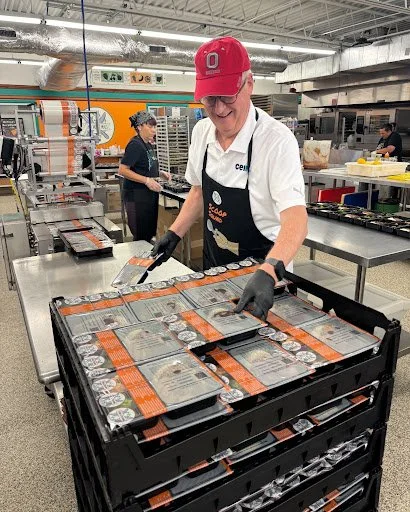
Volunteers at Miami Valley Meals heat seal freshly prepared meals for distribution
Rescue Kitchens are now active in five Ohio regions beyond Cincinnati, as well as Baton Rouge and Denver. Every graduate of the program is actively producing meals, increasing access and preserving rescued food for their neighbors. Last year alone, our Capacity Building Program graduates transformed more than 1.25 million servings and rescued over 2.85 million pounds of food that would otherwise have gone to waste.
When you factor in the cumulative impact of La Soupe alongside Second Helpings (our Indianapolis-based content partner supporting our Capacity Building Program), the numbers climb even higher: more than 9.4 million pounds of food rescued and 8.8 million transformed servings distributed across our communities.
Behind each of those figures is a meal that reached someone who needed it, prepared with the care and dignity every person deserves.
The Power of Networks
One of the most encouraging lessons of the past three years has been the value of connection between cities. When kitchens work as a network, they can share larger loads, especially bulk foods that need to be repacked before distribution. We coordinate deliveries drawn from relationships both inside and outside our culinary network. A recent example: a semi delivery of cheese and bread from Cultivate Food Rescue in South Bend, was shared between La Soupe and Freestore Foodbank (FSFB). While FSFB and Cultivate are not inside our network, the opportunity for rescue came through a connection with Second Helpings. Alone, that load might have overwhelmed a single kitchen. Together, it became an opportunity.
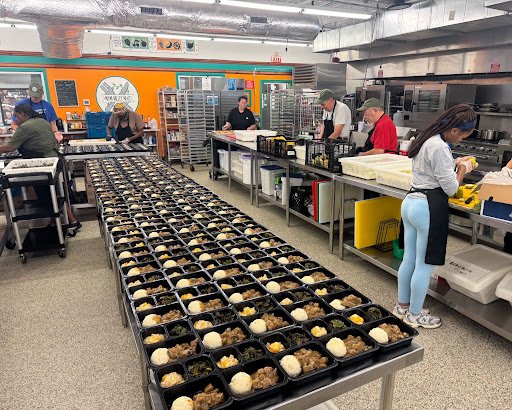
Truckloads of surplus beef came our way, and it was more than we could handle alone! Thanks to the Rescue Kitchen Network we were able to work through logistics to share the abundance with Miami Valley Meals so they could turn that extra supply into meals for their community.
In Ohio, the Rescue Kitchen Network(TM) members have operated as part of the Ohio Food Rescue Collaborative, capturing the impact of redistribution and transformation across the state and building pathways toward larger impact. We've also contributed to the Ohio EPA report highlighting opportunities to strengthen food rescue as part of a broader materials management plan. Institutional investment in this work can help make sure food goes to people and help standardize processes for large manufacturers to donate, making it easier for them to give more of what would otherwise go to waste.
Looking Toward 2027
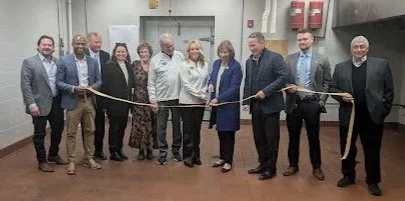
Hocking College Ribbon Cutting
Next year, RKN will focus on strengthening the network even further. Through Rescue and Communications committees, operational support, and shared leadership spread across our constituent organizations, we'll deepen the partnerships that make this work possible and explore how new ones can extend our reach. Additionally, Ohio funding through the Department of Job and Family Services will support further growth at Miami Valley Meals (Dayton, Ohio) and 740 Rescue Kitchen (Athens, Ohio). Both organizations are leading the charge in their respective cohorts driving high quality servings to communities with significant need remaining.
The problem is urgent. Good food is still being wasted while neighbors go hungry. But the solution is real, and it's growing. Three years in, we're just getting started.