
Meeting Halfway: La Soupe and Church on Fire Form Full-Circle Partnership, Feed Thousands in Cincinnati and Beyond
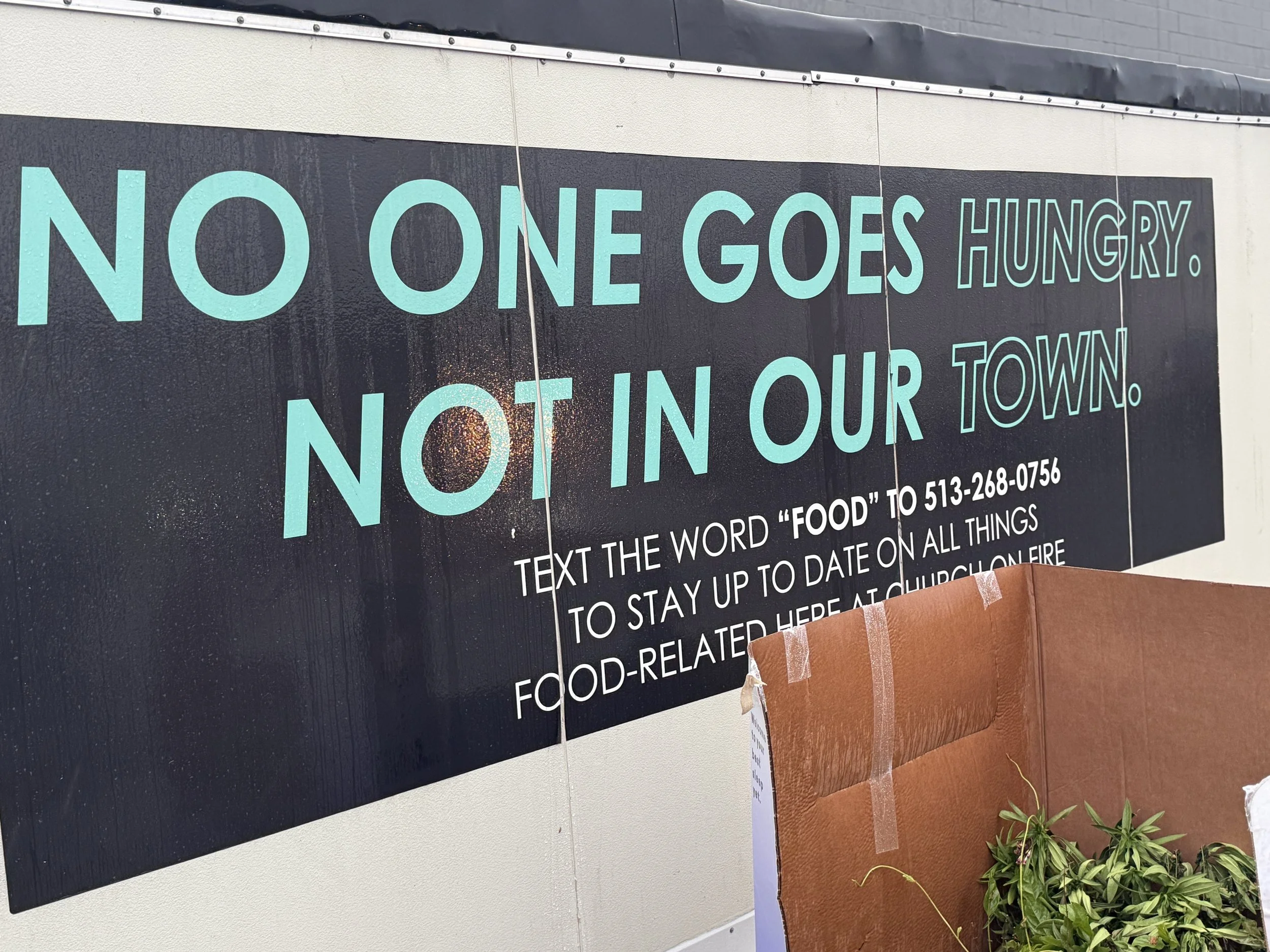
A message printed on the walls at Church On Fire.
On a stormy Wednesday night, raindrops fall on a parking lot in Harrison, Ohio, creating a low thrum that echoes across the asphalt. But even dreary weather cannot drown out the sounds of a community coming together.
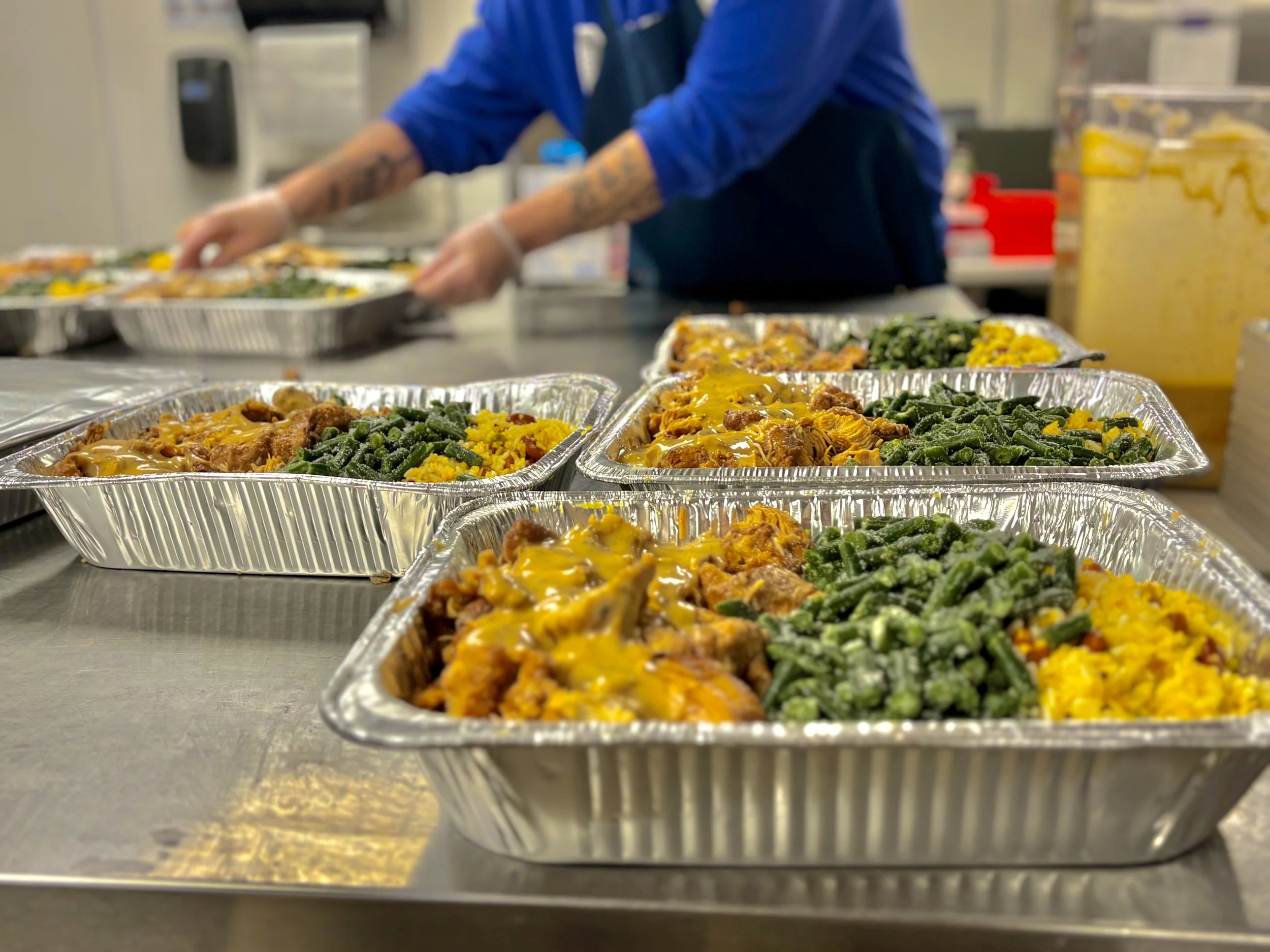
Meals being prepped at La Soupe before being donated to share partners.
Dozens of cars brave the dreary weather, waiting to receive produce, proteins, and pantry staples from dedicated volunteers. Soft music and warm conversations rise above the rain, while periodic laughter strikes like lightning.
Every Wednesday, hundreds of families seek food assistance from La Soupe and Church on Fire Outreach. The operation’s scale is remarkable, but so is the collaboration behind it.
La Soupe believes food rescue works best when organizations combine forces. Its partnership with Church on Fire, a non-denominational church located on Harrison Avenue, showcases how efficient teamwork helps nourish more people while preventing waste along the way.
Serving More Than 2,000 People Every Week
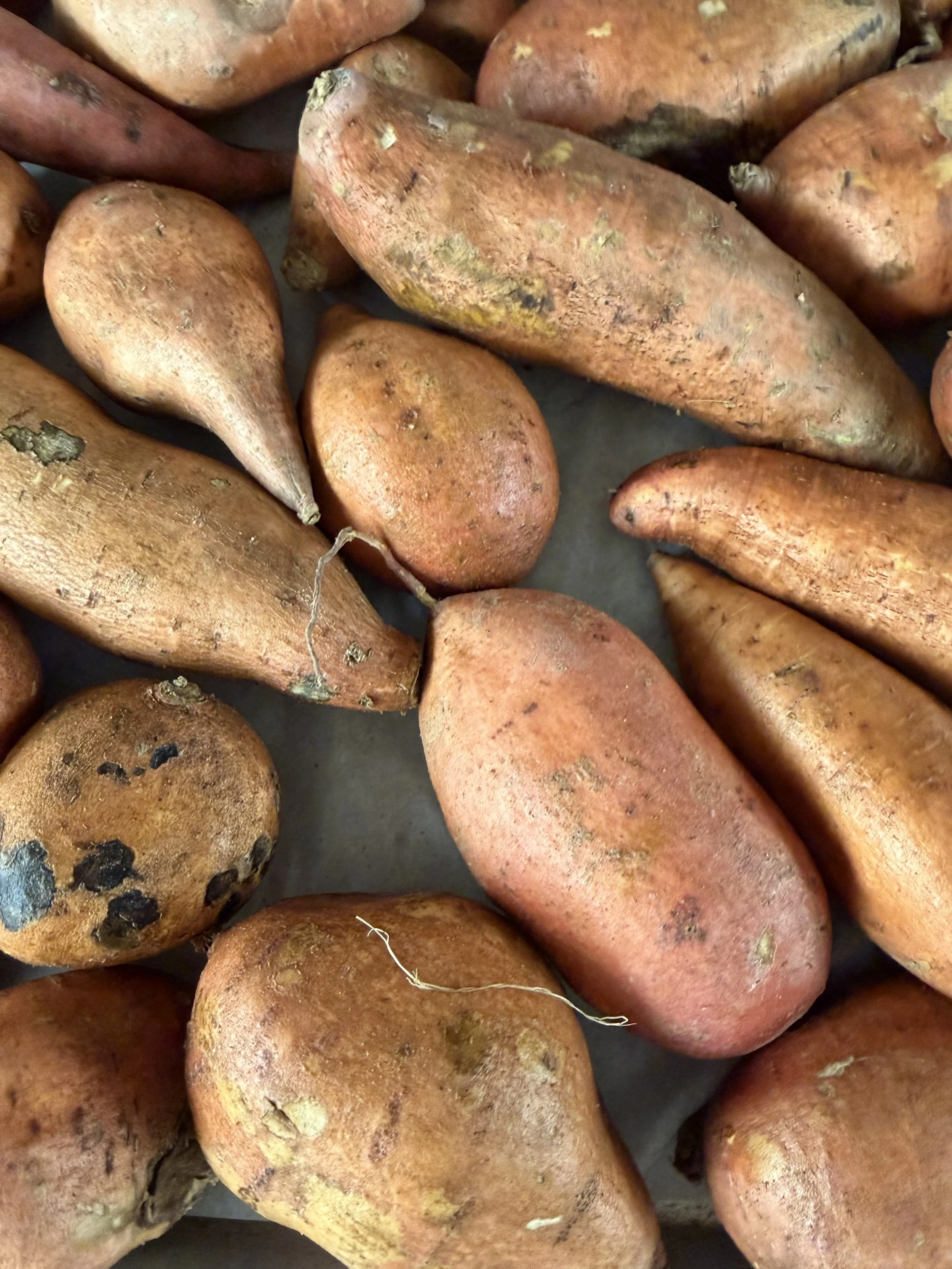
Sweet potatoes.
Church on Fire's weekly drive-thru food market serves between 525 and 600 families each week, reaching approximately 2,000 individuals across eight counties in Ohio, Indiana, and Northern Kentucky. Unlike many food pantries, Church on Fire does not restrict service according to county lines.
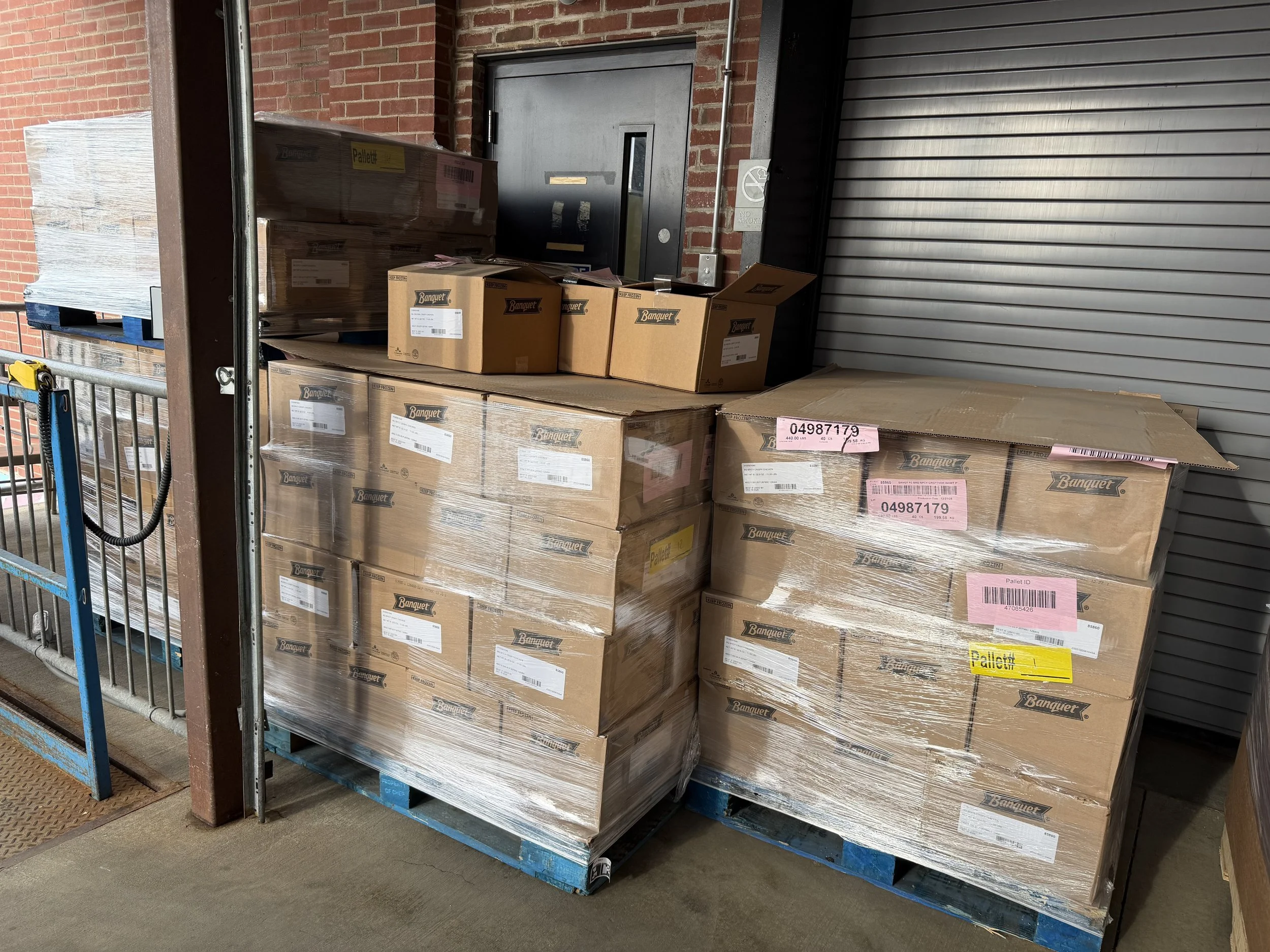
Donations rest on the La Soupe dock.
"We try to serve as many people as possible," Molly Zuber, an outreach coordinator at Church on Fire, said. "We welcome anybody who needs help."
The ministry adopted its drive-thru model in 2020 as a response to the COVID-19 pandemic, but has since seen significant growth, running with machine-like precision.
Volunteers mark vehicles with their corresponding household counts, prepare the exact amount of food donations needed, and load groceries directly into trunks. This organized system allows hundreds of people to be served in a matter of hours.
A Symbiotic Relationship
Nonprofit partnerships often involve one organization giving and another receiving, but La Soupe and Church on Fire break that mold.
Church on Fire serves as both a Share and Rescue partner for La Soupe, resulting in a full-circle connection that keeps giving back.
When Church on Fire receives a surplus of rescued food, they share it with La Soupe.
For instance, several bulk containers of sweet potatoes were recently given to La Soupe chefs. Instead of sitting unused at the church’s dock, they were washed, peeled, chopped, and transformed into healthy meals for the Greater Cincinnati area.
The cycle doesn’t stop there.
In return, La Soupe provides Church on Fire with frozen soupes and ready-to-eat meals that families can depend on. Rain or shine, snow or summer heat, this reciprocity makes a tangible difference across three states and continues to help countless people put food on the table.
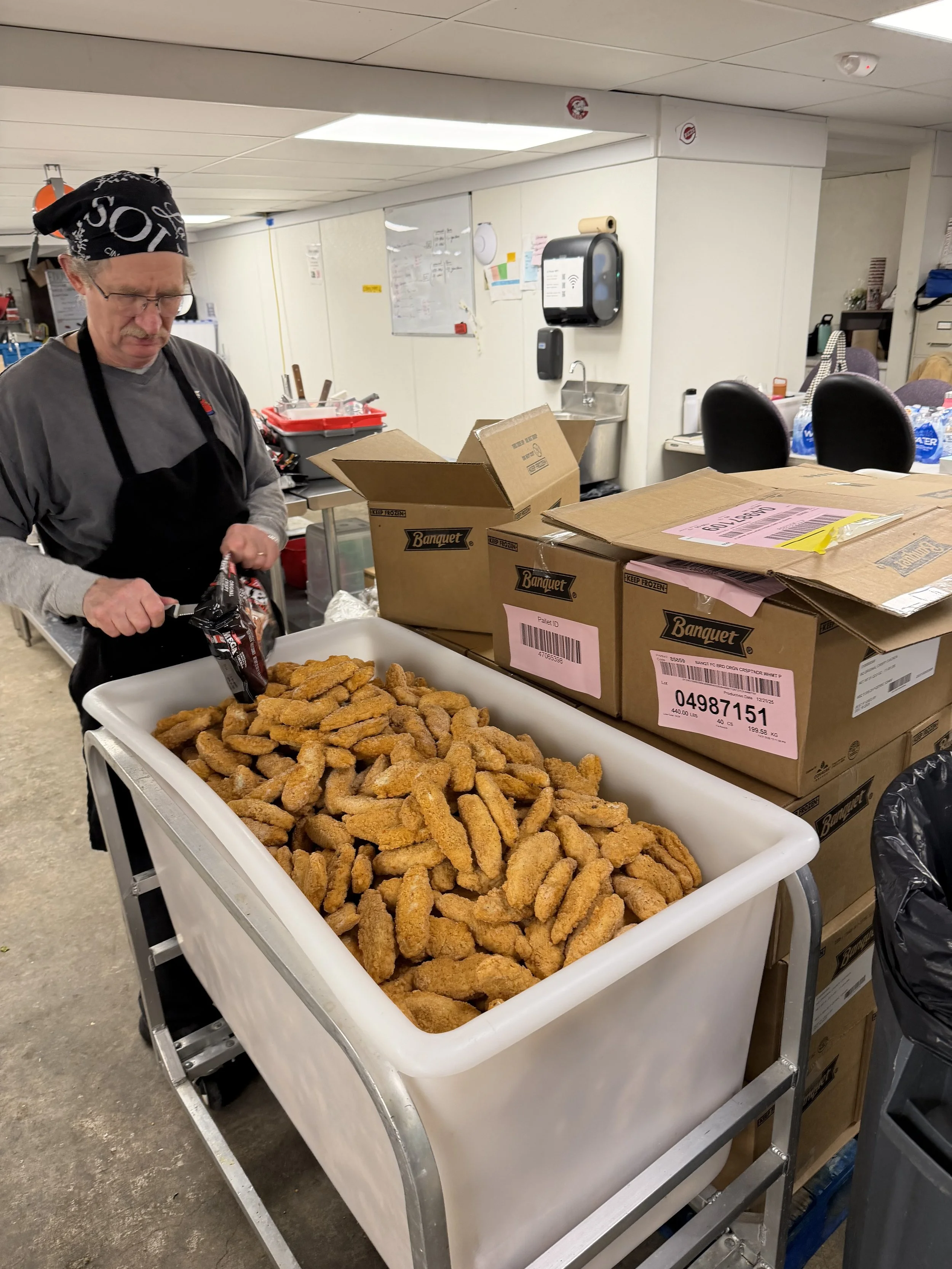
For Zuber, the positive impact can be felt through the quickest of interactions.
She recalls speaking to a woman with a severe arm injury, which made everyday tasks infinitely more difficult to manage. For her, access to prepared meals meant removing the burden(s) of shopping, chopping, cooking and cleaning up.
“She told me she wouldn't be eating if it weren't for this food distribution and the partnerships that make it possible,” Zuber said.
Similar stories are shared each and every week. Families carpool to stretch resources, and some even pick up food on behalf of loved ones who cannot physically make it to the market.
By keeping high-quality food in consistent circulation, this partnership sustains more than just people’s bodies and minds. It also strengthens the bonds between neighbors, fostering a robust support network that grows richer with each passing week.
Giving and taking, pushing and pulling, both organizations benefit in equal measure. More importantly, less people worry about where their next meal will come from.
“We really appreciate the relationship and partnership,” Zuber said. “Being able to give and receive support from each other's ministries is so meaningful.”
