The Profit of Purpose: Why Food Rescue is the Ultimate Business Win
By: Amy Scarpello, Senior Director Rescue, Share, and Volunteer Engagement
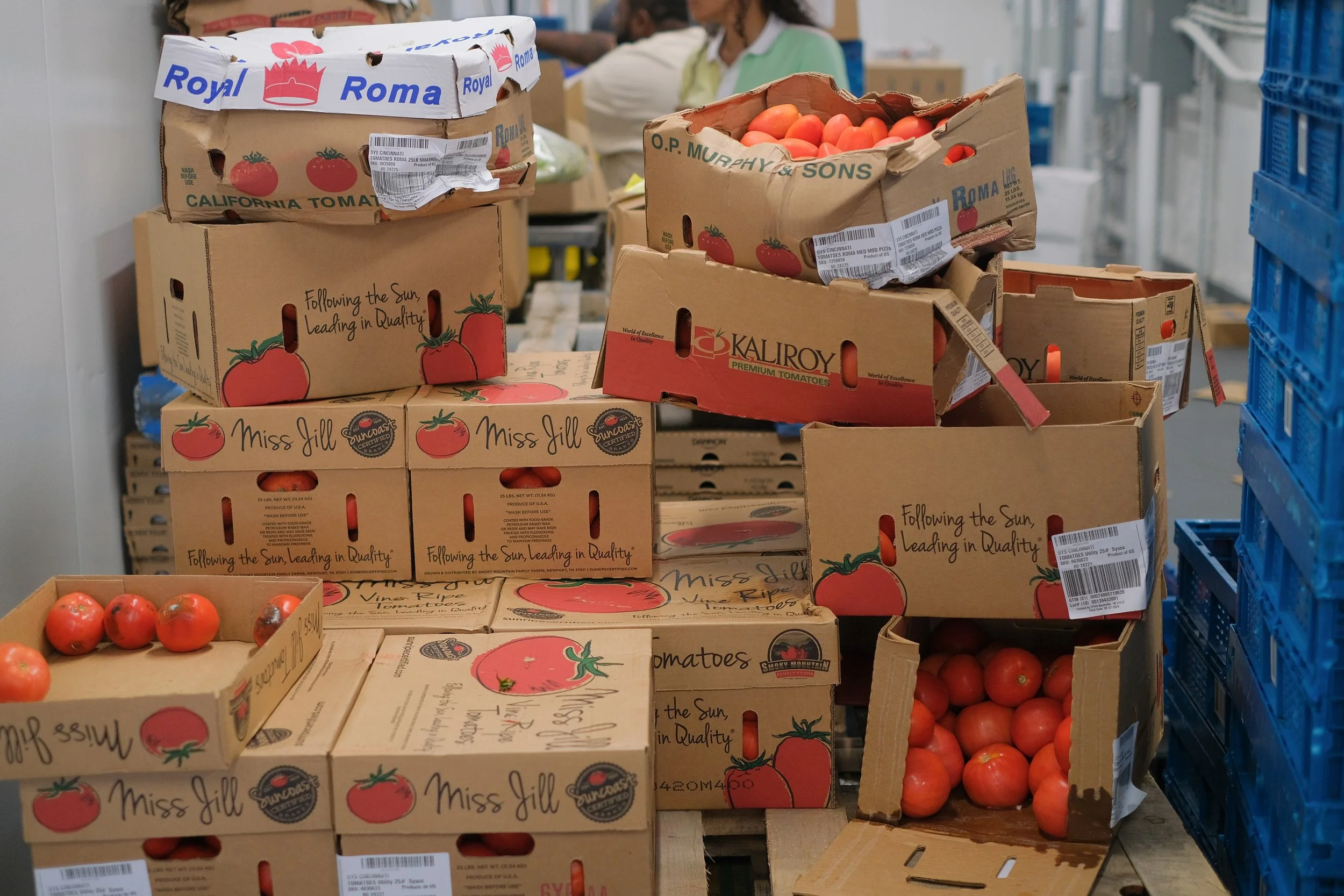
In the world of logistics and food production, waste is a word that keeps leaders up at night. It represents lost revenue, environmental strain, and missed opportunities. What if that waste stream were actually an untapped reservoir of employee morale and community impact? While spreadsheets track margins, they often dismiss the pride and active steps taken to solve local problems. When employees see their company taking active steps to solve local problems, the culture shifts from a "clock-in, clock-out" mentality to one of shared mission.
"The biggest impact is the incredible positive attitude [and] appreciation of everyone that works here,” Eric Loeffler of Koch Foods said. “It has really raised the level of pride folks take in doing their jobs and knowing that they help contribute to helping someone’s day be better."
Employees who feel their work has a meaningful impact are 3.2 times more likely to be engaged at work, according to a Gallup report on corporate social responsibility. In an industry where retention is king, a sense of collective pride is a significant competitive advantage.
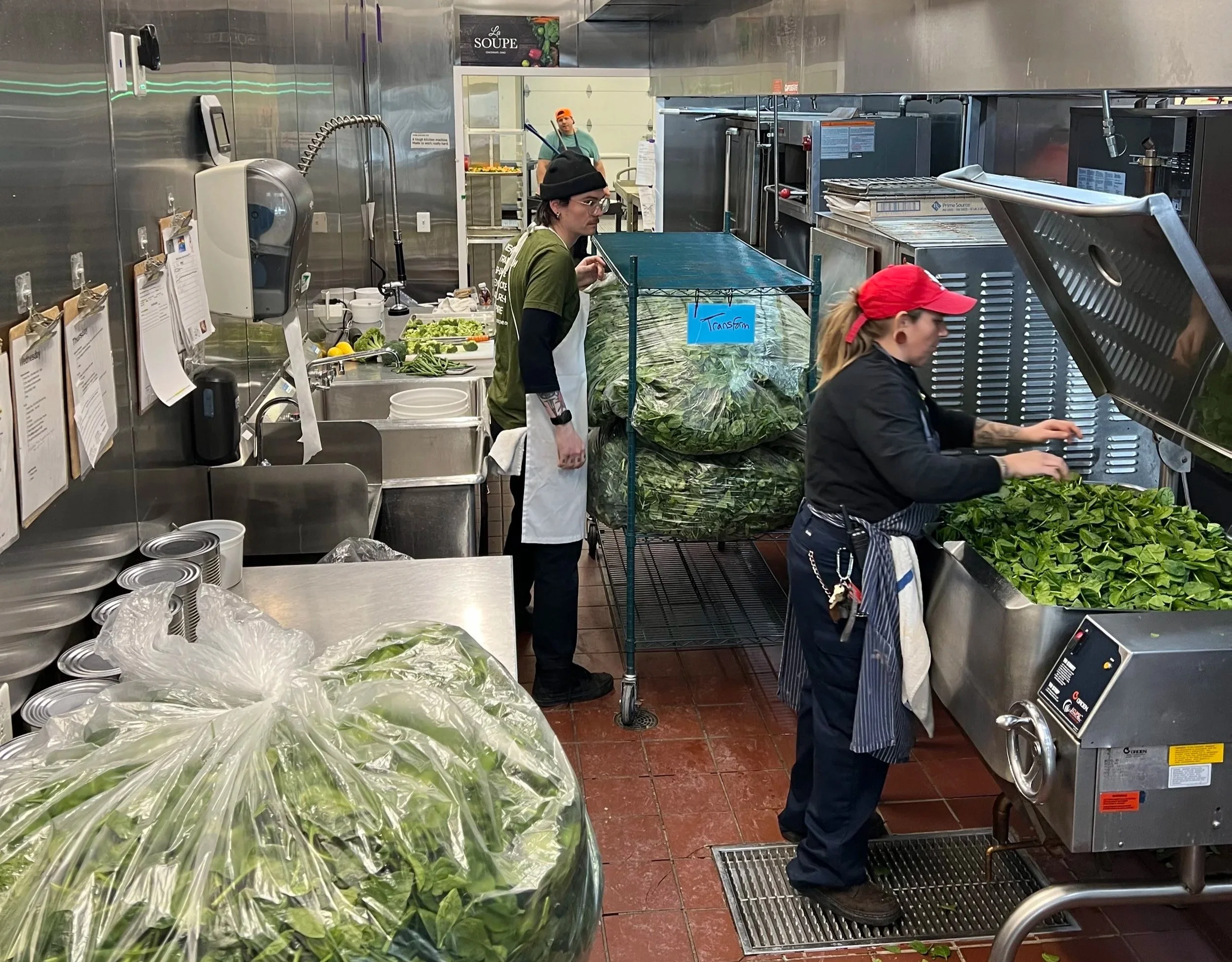
This sense of purpose is grounded in the operational reality of the food business, where volatility is the only constant. One of the most clear-eyed examples of this comes from What Chefs Want, a wholesale distributor with deep roots in local food and partnerships. "At What Chefs Want, we've been working with La Soupe to rescue, transform, and share excess food as part of the workflow in our Cincinnati warehouse since 2024," explained Local Food Connection program director and local produce buyer, Anna Haas.
As a family-owned company, Haas notes that sharing with the community has always been a focus. The practical application of that value requires navigating the ebbs and flows of a massive warehouse. Donations are made when surplus exists. When applicable, amounts can range from small quantities to more than 3,000 pounds.
Common variables such as snow days that shut down schools, last-minute cancellations, mistaken orders, or unanticipated dips in demand can leave a distributor with extra product on hand but without a clear customer.
In those cases, rather than seeing perfectly good product hauled off as waste, Haas and her team lean into their partnership.
"We call La Soupe to come pick up the usable product, knowing that the team will sort through it to ensure it is utilized to the max," Haas said.
This move saves the company on waste-hauling costs and honors the environmental and human resources that went into the food’s production. For Haas, it’s about respect. "It's important to us that the fruits of our farmers' efforts are enjoyed rather than trashed," she said.
One of the biggest myths in food rescue is that it requires a massive logistical overhaul or a specialized fleet. In reality, it usually starts with a conversation and a simple integration into the existing warehouse rhythm.
"Starting the program was very simple. A few emails and a phone call with the team at La Soupe, and we found a day that worked for everyone," said Amanda Schuster of Performance Food Group (PFG), highlighting just how low the friction can be for a major distributor. "This program has been running smoothly since August of 2024."
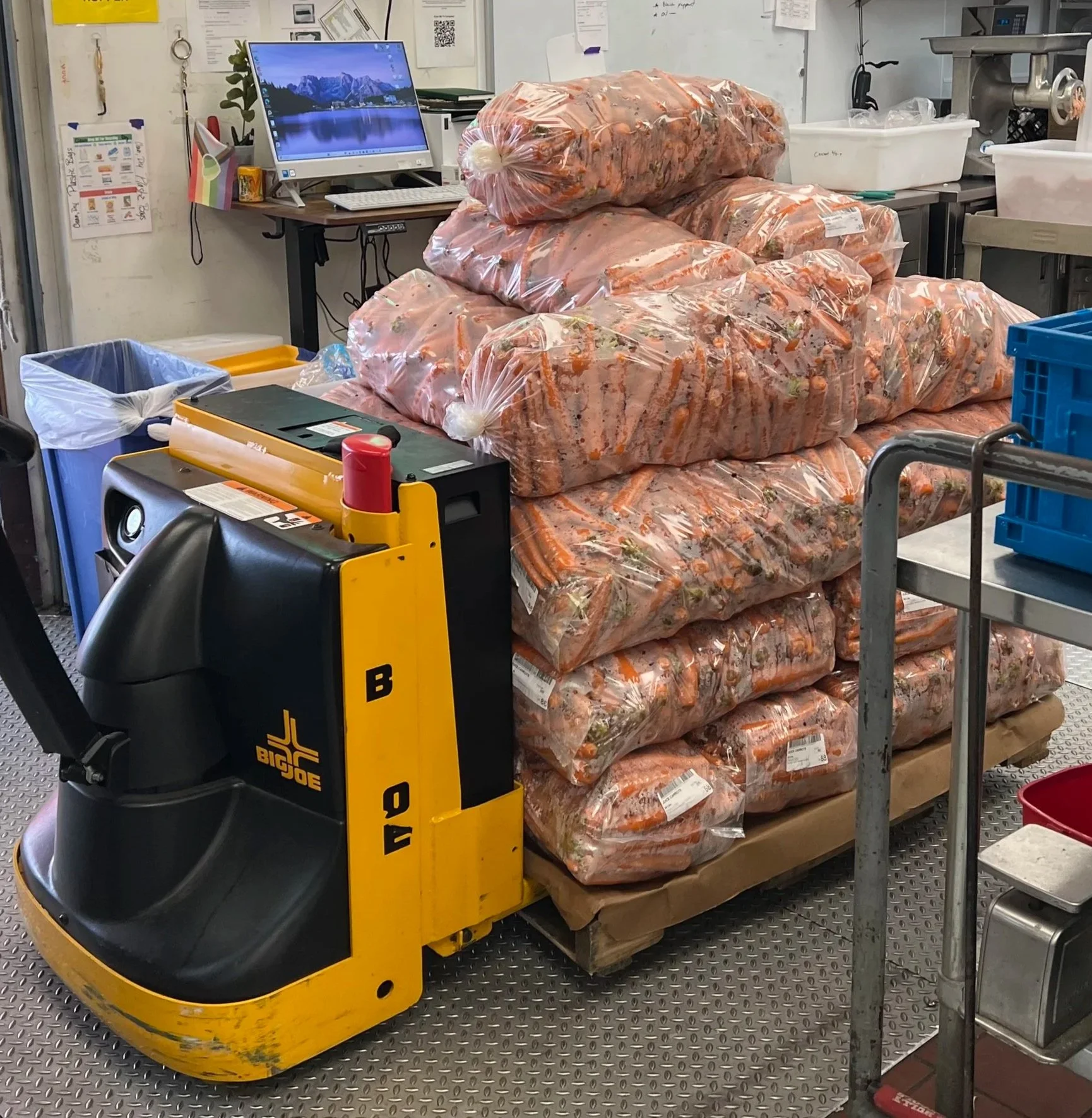
For PFG, the focus was on high-turnover perishables. By increasing their partnership to weekly visits, they drastically reduced food waste in their dumpsters. ReFED estimates that the U.S. food system loses about $408 billion yearly to food waste. Surplus recovery programs, like La Soupe, prove that whether you are donating a few cases of chicken or several pallets of milk and produce, you are directly chipping away at that statistic.
So, what does this look like in practice? It looks like a transformation.
When PFG donates milk and produce that needs to be used soon, Koch Foods provides high-quality protein, and What Chefs Want provides broccoli that didn’t have a buyer, it doesn’t just sit on a shelf. They become the building blocks for nutritious meals. Through La Soupe’s Rescue Transform Share™ model and a chef-led transformation, these donations result in high-quality soupes and meals that feed individuals and families facing food insecurity in the same communities that donated the product. It’s a closed-loop system where everyone wins: the business reduces its footprint, the community is fed, and the landfill gets less.
By partnering with organizations like La Soupe, businesses can offload the logistical heavy lifting to experts who specialize in rescue operations. This allows companies to focus on their core competencies, whether that’s locally sourced produce, large-scale poultry production, or regional distribution. Their partners handle the distribution to those in need. No matter if you are a small local shop or a massive producer, food rescue scales to fit your footprint. It turns a liability into a legacy, proving that the ultimate business win is one where the community profits alongside the company.