
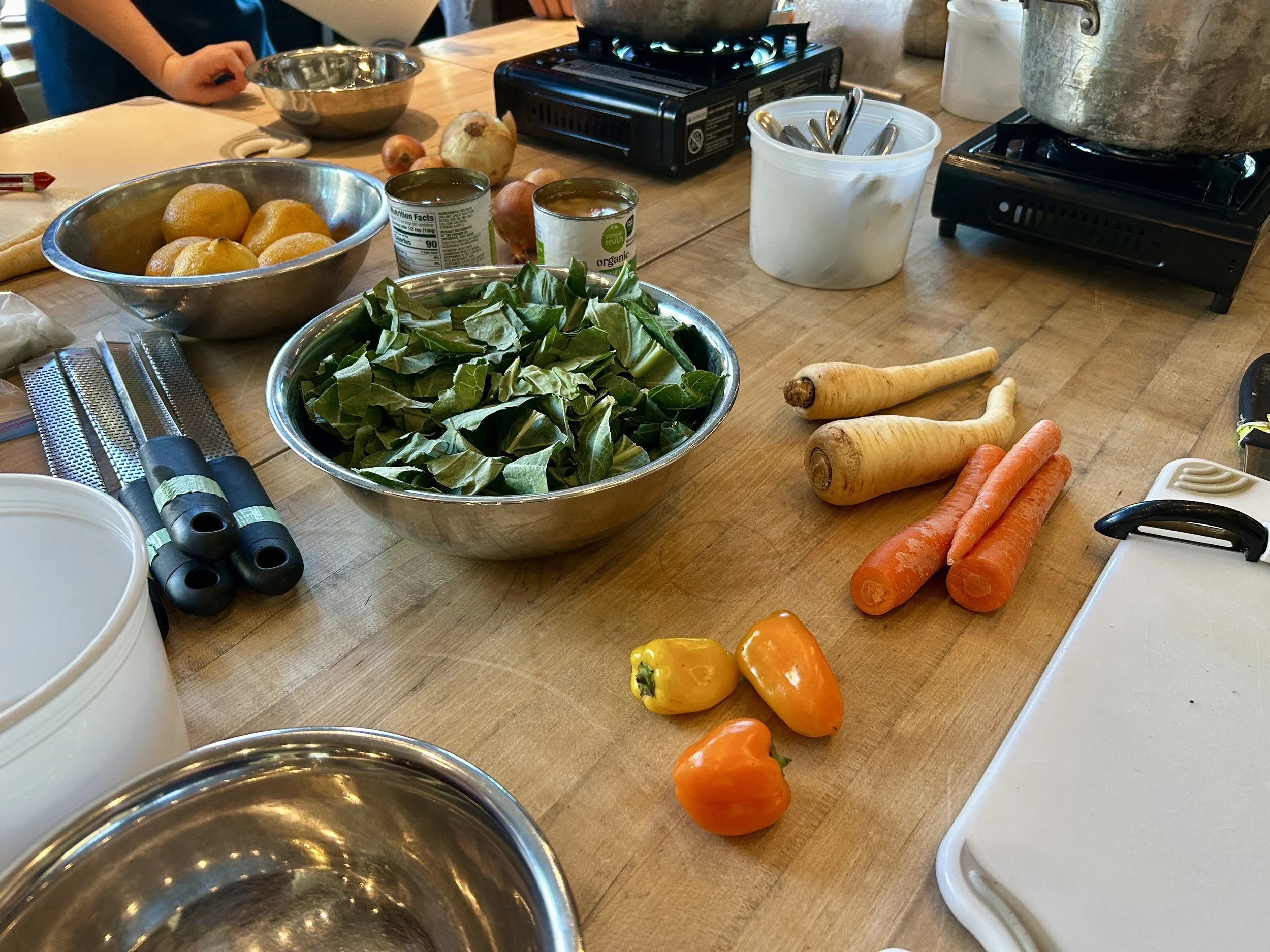
Rescued ingredients like parsnips, peppers, and leafy vegetables are frequently repurposed into high-quality meals at La Soupe’s commissary kitchen.
Halloween season is here, but La Soupe isn’t frightened of ghosts, goblins, or ghouls. Rather, we’re preoccupied by a far more sinister, skulking foe: 100% preventable food waste.
Feeding America recently published its 2026 Elevating Voices: Insights Report, which surveyed over 1,200 people who have received charitable food assistance or experienced food insecurity within the past two years. Notably, 88% of respondents said they are concerned about food prices, while 48% said they have delayed paying bills—such as rent, utilities, and medical expenses—to afford groceries.
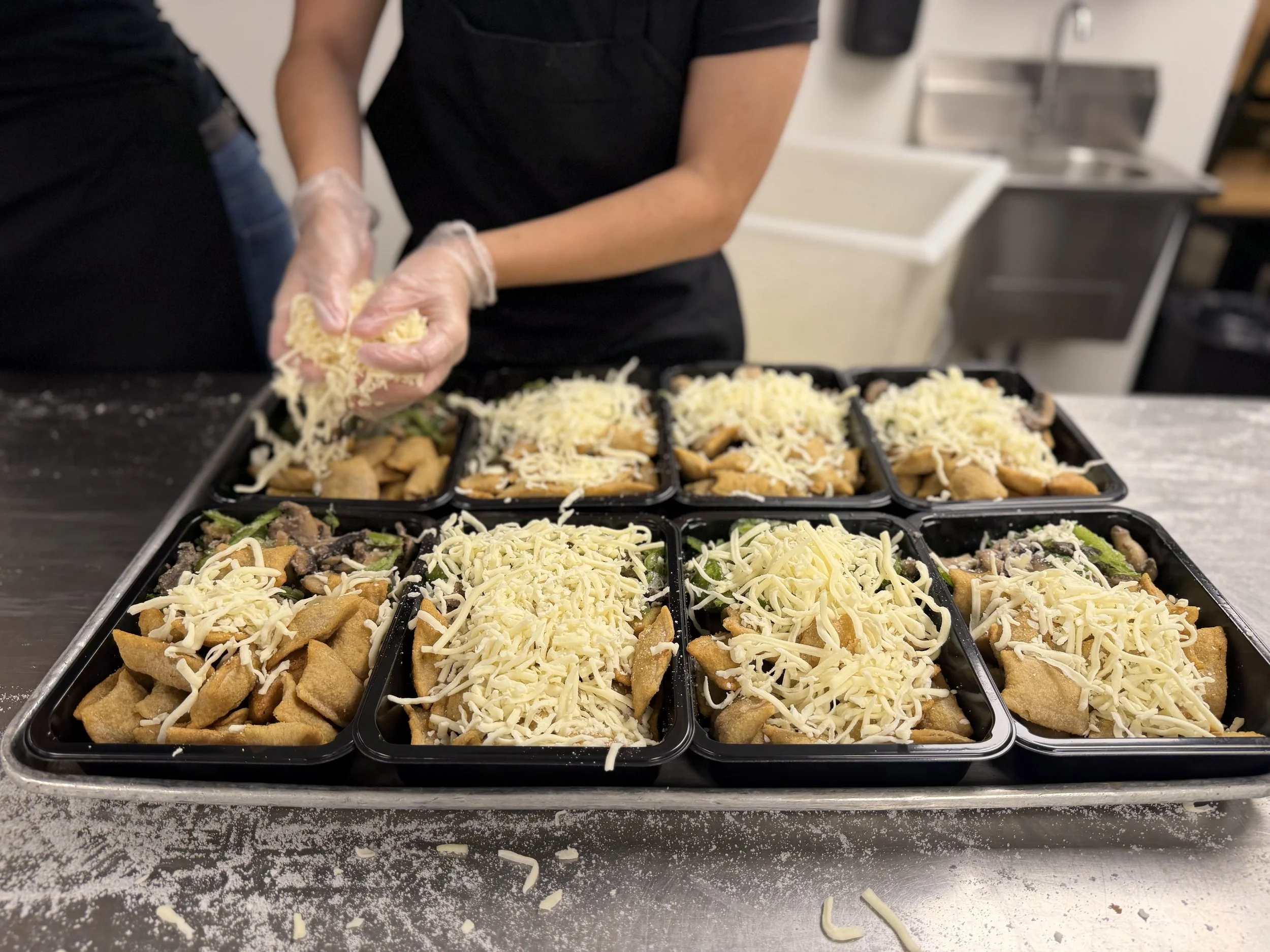
A volunteer prepares meals as a part of La Soupe’s basement assembly line.
As Ohio’s largest, chef-led food rescue organization, La Soupe uses surplus ingredients as powerful tools to fight hunger in Greater Cincinnati and Northern Kentucky. Our Rescue Transform Share® program ensures that healthy grocery items aren’t left to rot in landfills while our neighbors struggle to put balanced meals on the table.
Eliminating food waste, not to mention food insecurity, often feels like an impossible task. But choosing to take action, whether at the household level or at La Soupe’s commissary kitchen, is always better than standing by.
Without further ado, let’s debunk three spooky myths about rescued food and food insecurity as a whole.
Myth No. 1: One Person Can’t Make a Difference
For those trying to divert food waste, it’s easy to feel like a drop in the ocean. But you still have the power to create change, even if it starts as a small, unassuming ripple throughout your community.
At La Soupe, we channel individual passion into impactful teamwork. Our experienced culinary crew, as well as our Volunteer Engagement team, know the value that lies in every extra pair of hands.
Last fiscal year, La Soupe fed an average of 14,000 people each week, and rescued ingredients made it all possible. Here are a few ways one person can help us match or surpass this number in fiscal year 2027:
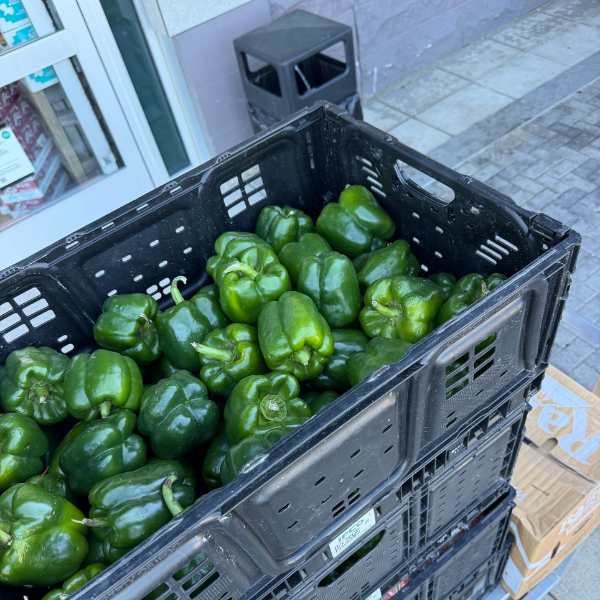
Green peppers await La Soupe transport.
Collecting Food Donations and Transporting La Soupe’s Meals Across the City
If you have a flexible schedule, driving for La Soupe is a surefire way to make your mark in our ongoing battle against food waste and food insecurity.
To step into this role, all you need is a valid driver’s license and a reliable vehicle.
Once you complete an application and watch a short series of training videos through the Food Rescue US app, you’ll be ready to hit the road.
Working Alongside Chefs to Keep Our Kitchen Running Smoothly
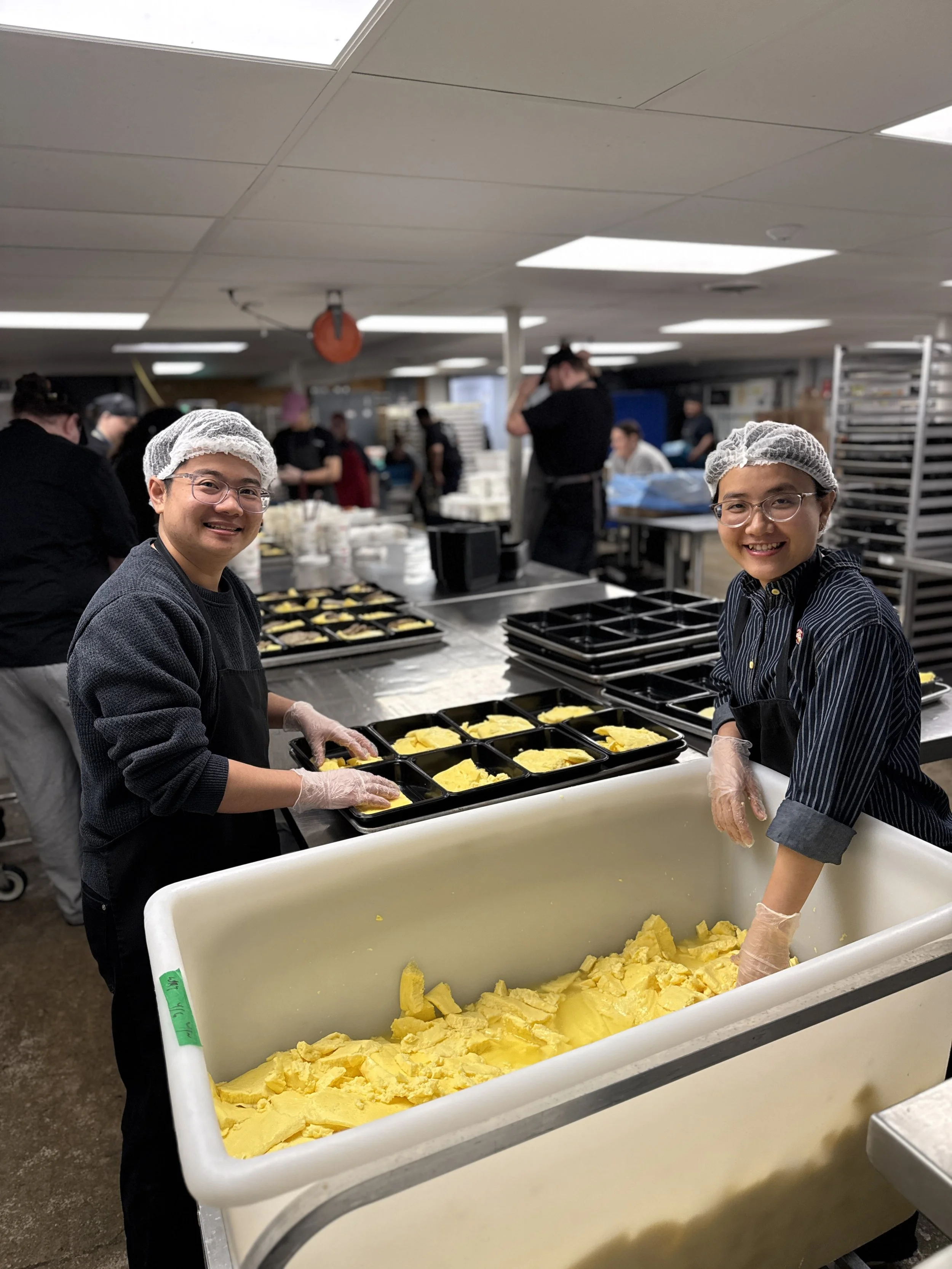
Two volunteers assist with meal prep and packaging at La Soupe’s Walnut Hills facility.
Every week, our dock crew and kitchen staff process thousands of pounds of rescued food. To successfully transform these excess ingredients into balanced meals, they rely on a strong network of volunteers.
Some tasks you may complete as a kitchen volunteer include taking stock of donated goods, scooping and portioning soupe, preparing and chopping food items, and packaging meals on a high-energy assembly line.
Whether you work one shift a week, one shift a month, or one shift a year, you’re furthering our mission in an irreplaceable way.
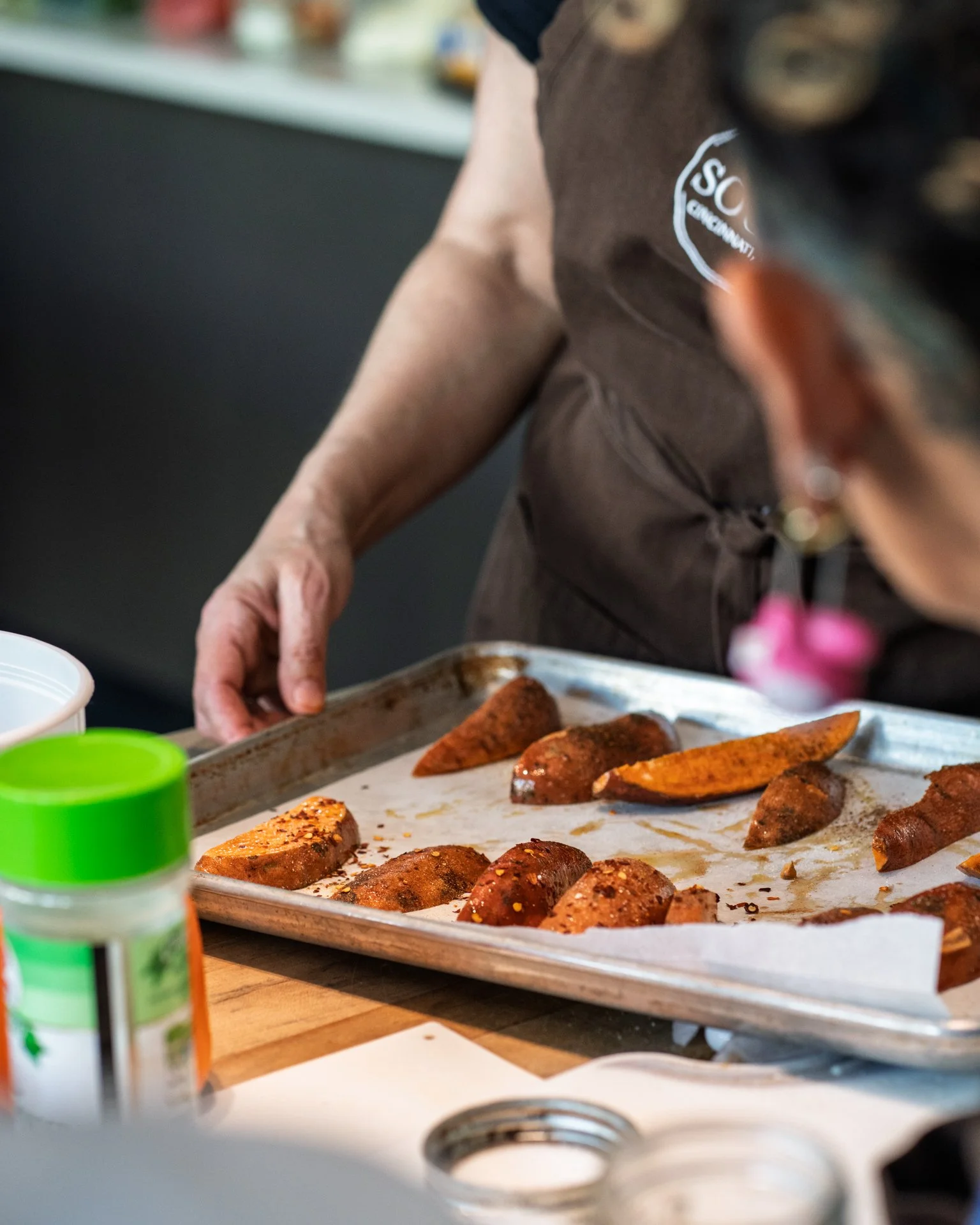
Potatoes are seasoned during a La Soupe Culinary Education class.
Lending Your Enthusiasm to a Culinary Education Class
La Soupe’s Culinary Education classes teach participants how to maximize pantry staples and cook delicious, healthy meals on a budget.
By helping our Culinary Education team plan and execute different courses, you’re giving students the tools they need to develop resilience and self-sufficiency in the kitchen.
When you donate your time to pack up class toolkits or assist our trained instructors during sessions, you’re also investing in a long-term solution for food waste prevention: spreading knowledge of mindful shopping, methodical food storage, and meticulous cooking.
Organizing a Group Volunteer Experience With Your Family, Friends, or Colleagues
Sometimes, just one or two people can inspire others by stepping up to the plate.
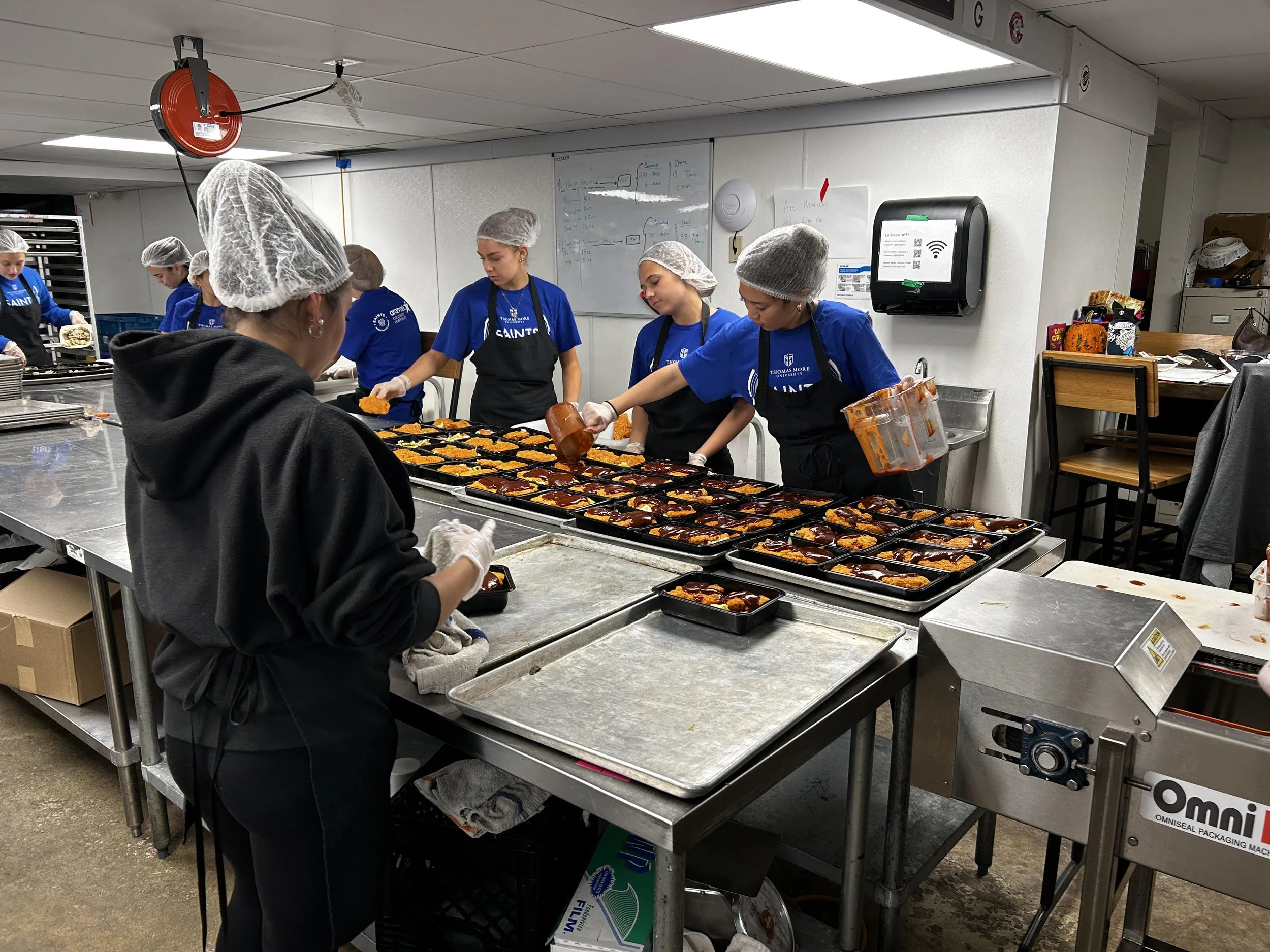
The Thomas More University women’s lacrosse team created hundreds of meals for our neighbors in Greater Cincinnati and Northern Kentucky.
On Oct. 13, 19 members of the Thomas More University women’s lacrosse team—plus their coach—volunteered at La Soupe together. Two of these teammates, having volunteered on site before, rallied this larger group to return for the school’s “Saints Serve Day.”
In just a few hours, this incredible team produced 945 Omni meals and 565 sandwiches for individuals facing hunger in Greater Cincinnati and Northern Kentucky. To us, their story serves as a powerful reminder that passionate activism can be contagious.
Click here to learn more about the volunteer opportunities mentioned in this blog post.
Myth No. 2: Rescued Food Is Inherently Undesirable And/or Unsafe to Eat
Some people mistakenly believe the terms “food waste” and “rescued food” are synonymous. But they are not interchangeable.
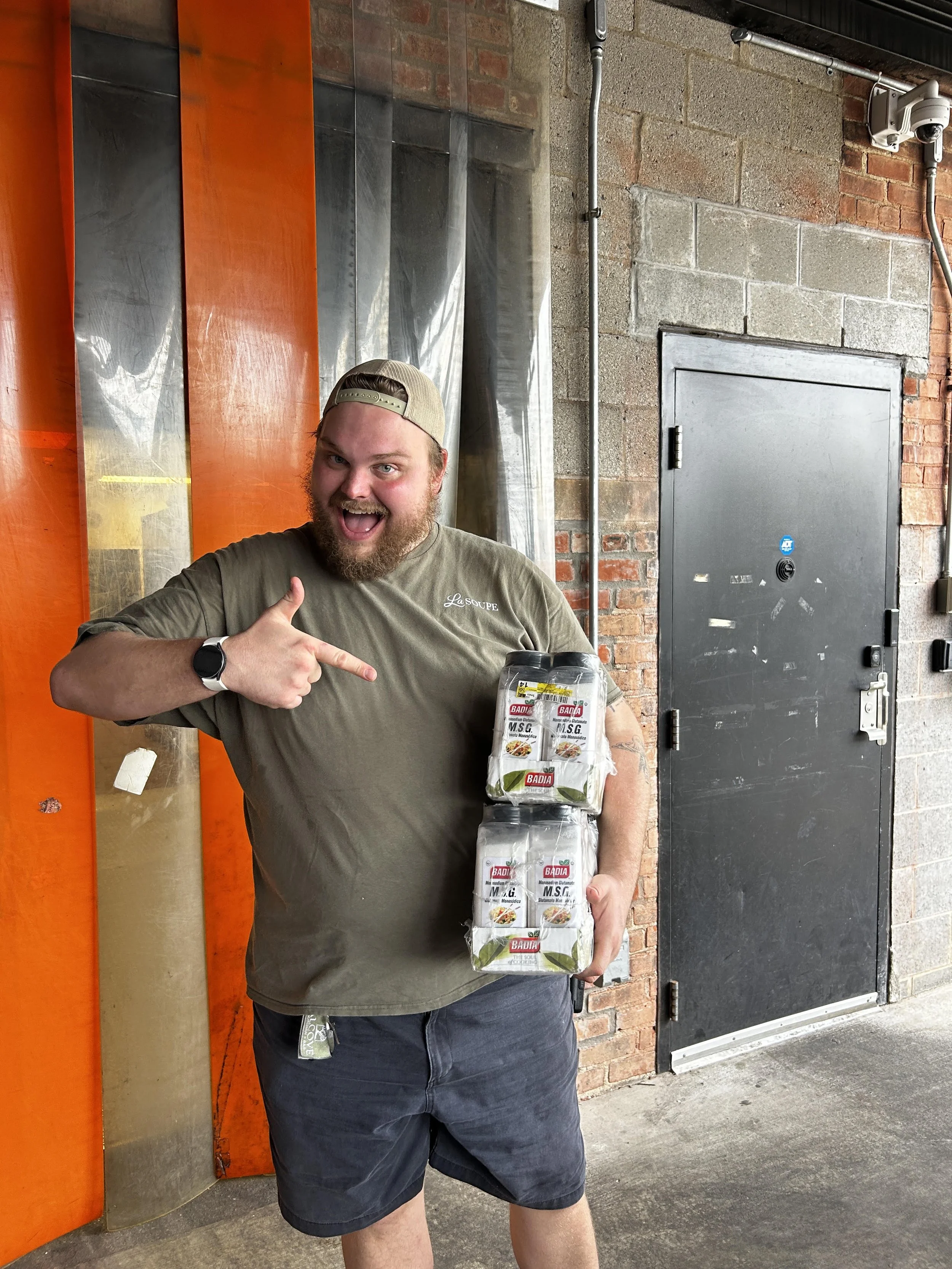
La Soupe Jr. Sous Chef Josh Sprandel poses with rescued MSG, a popular flavor enhancer.
The United States Environmental Protection Agency identifies food waste as “food not ultimately consumed by humans that is discarded or recycled,” including plate waste, spoiled food, or inedible peels and rinds.
By contrast, rescued food refers to surplus ingredients that are donated with the express purpose of feeding people. These safe, nourishing food items are intercepted before they lose their nutritional value and become avoidable food waste.
When handled with care and precision, rescued ingredients are just as dignified as any food item on a grocery shelf.
Cosmetic deficiencies like minimal scuffing, slight discoloration, or an unconventional shape often preclude perfectly wholesome food staples from being sold by manufacturers or farmers, but at La Soupe, those ingredients find a brand-new purpose.
Overstocking and timing are also critical factors.
For instance, La Soupe completed one of its largest rescue runs of the year—conducted after the Cincinnati Open in partnership with Levy Restaurants—simply because the Lindner Family Tennis Center no longer had the crowds needed to consume its pre-ordered food supply. As a result, more than 13,000 pounds of fresh produce and protein arrived at La Soupe’s Walnut Hills facility, ready for transformation.
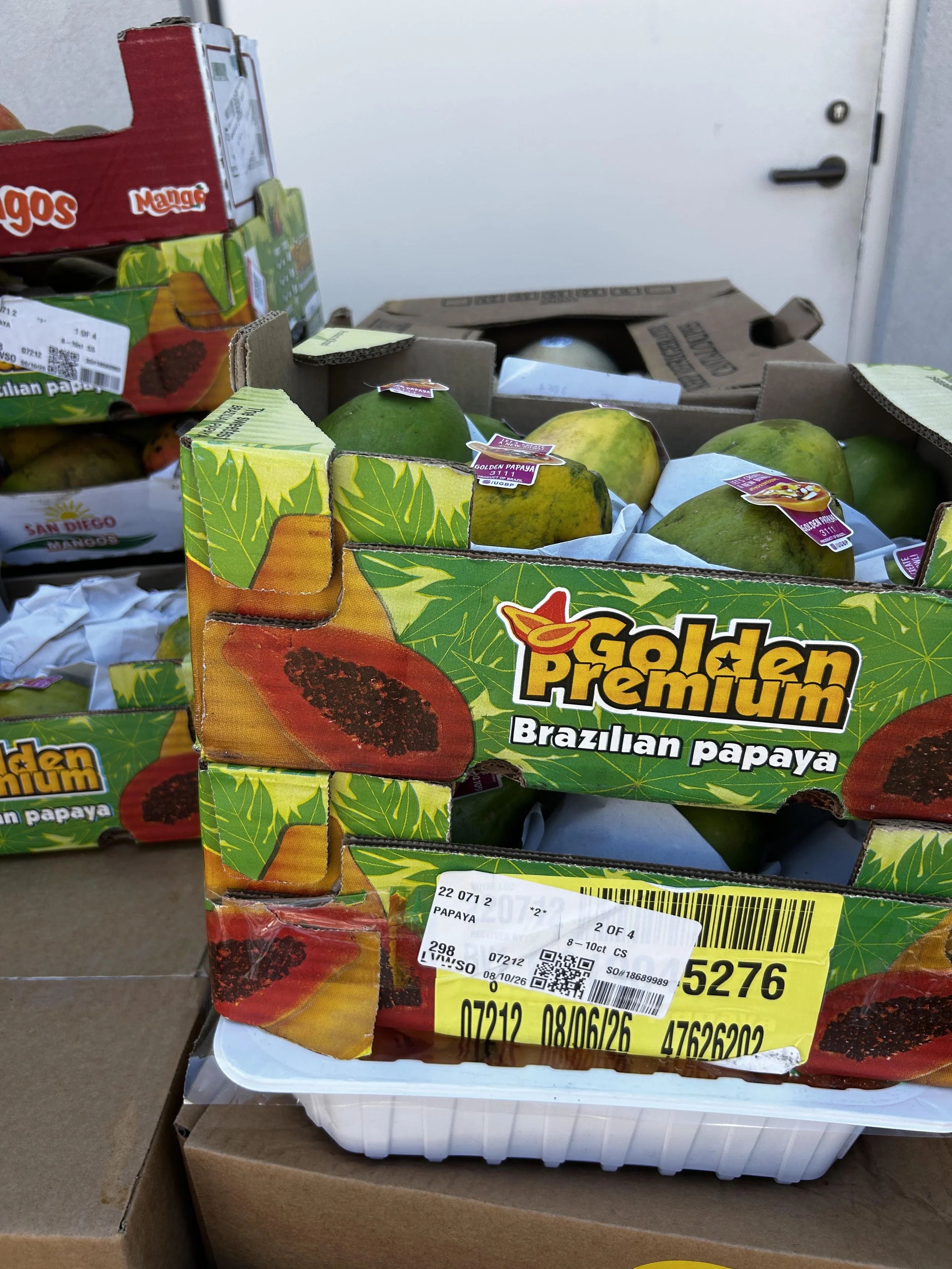
La Soupe rescued fresh papayas, lemon(s), ginger, and more produce items from the Cincinnati Open in August 2026.
Of course, there are times when perishable foods are sent to La Soupe and swiftly determined to be unfit for human consumption. When this occurs, our Shipping and Receiving team—in tandem with our chefs—acts in accordance with the United States Environmental Protection Agency’s Wasted Food Scale.
Some ingredients, like raw meat products or wilted vegetables, can be used to feed wolves, chickens, pigs, or additional animals. Others can go straight to compost.
The flow of operations is simple: We prioritize people, then animals, then compost.
Most importantly, our staff diligently inspects and vets every rescued food item before ever incorporating it into a meal. That way, the people who share and eat our meals have full confidence that they are equal parts delicious and nutritious.
Myth No. 3: Food Rescue Makes a Minimal Impact in the Fight Against Food Insecurity
Food rescue programs and initiatives often require complex support systems to thrive, leaving many people to wonder: Is the time and energy really worth it?
For more than 10 years, La Soupe has proved the answer is yes.
Through Rescue Transform Share®, we provide immediate access to healthy meals, which is a necessary and powerful service. Since its inception, La Soupe has rescued roughly 9.6 million pounds of excess food and produced around 8.9 million servings of nutrient-dense food.
These numbers don’t lie, but they also represent just one facet of our mission.
Food insecurity is a systemic issue that requires system-wide solutions. This is where our other three pillars come into play.
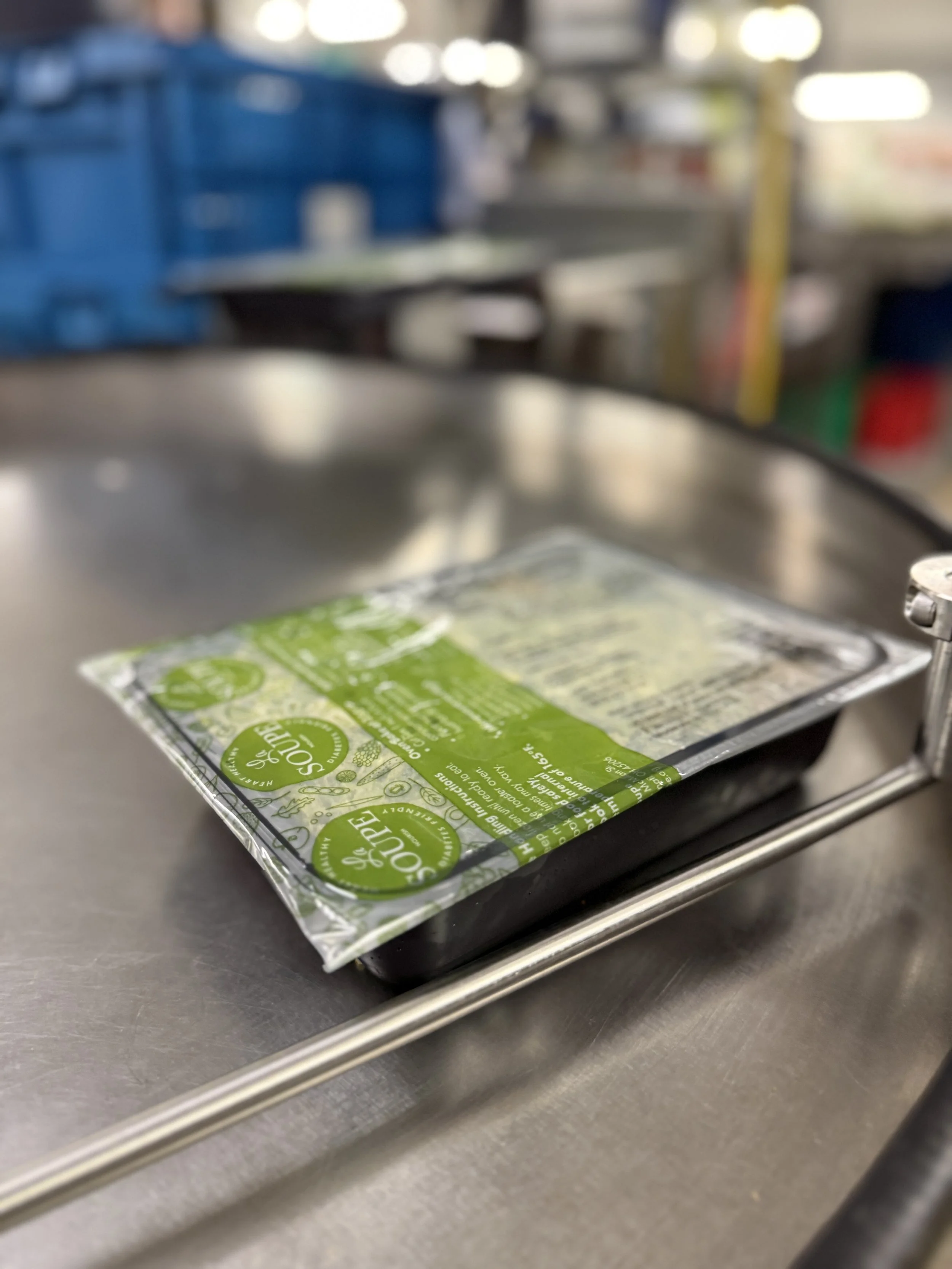
La Soupe’s Nourish meals help provide comfort to those preventing or managing conditions like diabetes, high blood pressure, and heart disease.
Through our Nourish program, we formulate Medically Tailored Meals—also known as MTMs—to prioritize historically underserved populations like the elderly, individuals with food allergies, and those struggling with chronic illnesses.
Through our Culinary Education efforts, we teach students of all ages how to reduce food waste in their own homes and develop healthy cooking habits for life, ensuring they can pass down knowledge and recipes that have the capacity to nourish entire communities.
And finally, through our Inspire branch, we mentor and support other rescue kitchens so they can successfully replicate La Soupe’s proven Rescue Transform Share™ model in their own corners of the country.
To better understand La Soupe’s Greater Cincinnati and Northern Kentucky programming in fiscal year 2026, read our recently published Impact Report.
Though we take immense pride in what we’ve accomplished as a nonprofit, we also strive to enhance our programs and offerings every year. To help us grow and continue nourishing families across the region, explore ways to engage here.